
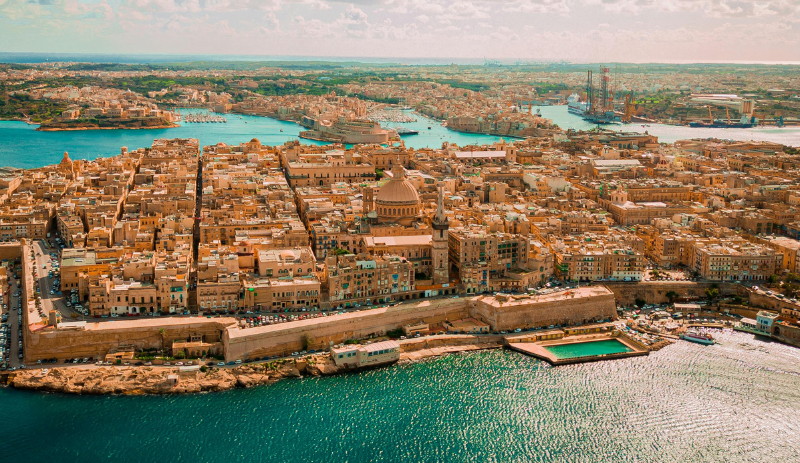
Malta, despite its diminutive size, has been able to take the full advantage of its situation in the Mediterranean Sea, and thus, is one of the most culturally fertile and scenically varied places. The trip through Malta is full of ancient history, beauty, and coastal charm, starting from the Neolithic temples, which are older than the pyramids, all the way to breathtaking azure bays and fortified cities of the Middle Ages.
If you are in the process of creating your itinerary for Malta, then this guide will provide you with the best places to visit not only in Malta but also in Gozo and Comino in an engaging and informative manner.
1. Valletta: The Fortress Capital
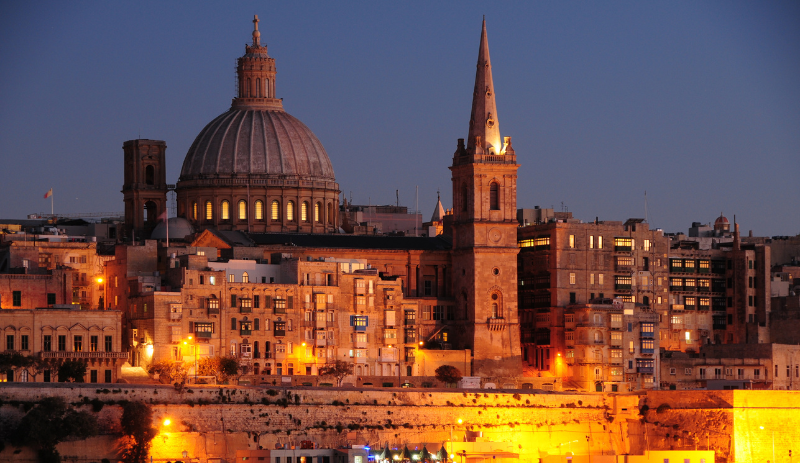
The capital of Malta, Valletta, is not only a UNESCO World Heritage Site but also a famous place because of its classic Baroque churches and buildings, hot colour and beautiful fences in addition to small roads that are almost all, one basically walking through them.
The city founded by the Knights of St. John in the 16th century is so small that it is best to have a walk around to see it all at once.
St. John’s Co-Cathedral with its opulent interior decoration and Caravaggio’s The Beheading of Saint John the Baptist, Upper Barrakka Gardens, which also were available in the same way by offering the most beautiful views of the Grand Harbour and the Saluting Battery, the National Museum of Archaeology brings one back to Malta’s ancient civilization, and Republic Street and Merchant Street are full of cafés, boutique shopping, and traditional Maltese pastries which are all set in a very attractive place.
2. Mdina: The Silent City
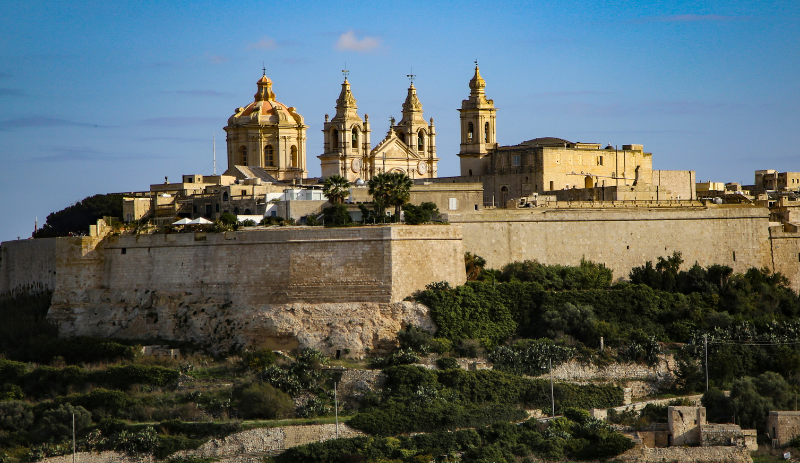
Mdina, the ancient capital of Malta, is a mountain-top city, proud and stunning, with a full natural view. The city that can hardly be heard, Mdina, is quiet and slow-moving if one keeps in mind its aristocratic history still living in the form of royal palaces, grand walls, and deserted roads.
By taking a stroll in the streets of Mdina, one can just about imagine what the situation was like when the Christians posed a threat to the Muslim rule. The must-see places are the Mdina Cathedral, the Natural History Museum, and the peaceful places to wander on the bastions.
Just outside the walls, the town of Rabat with its St. Paul’s Catacombs, considered one of the main burial places of early Christians in Malta, is also worth a visit. The calmness of Mdina at night makes it a great place to visit.
3. The Three Cities: Vittoriosa, Senglea, and Cospicua
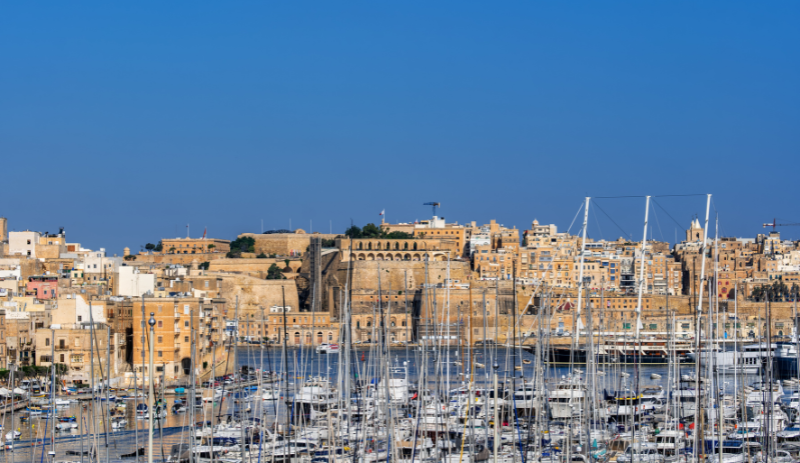
The Three Cities across Grand Harbour present a local and genuine version of Maltese life without the presence of tourists.
- Vittoriosa (Birgu): Inquisitor’s Palace, Fort St. Angelo
- Senglea: Gardjola Gardens with beautiful views of the harbour
- Cospicua: District of historic dockyard
Walking through these fortified waterfront towns or going on a ride with a traditional dgħajsa boat gives one the chance of having insights into Malta’s maritime heritage.
Also You liked: Top 7 Places to Visit in Romania
4. Gozo: Nature, Heritage, and Slower Living
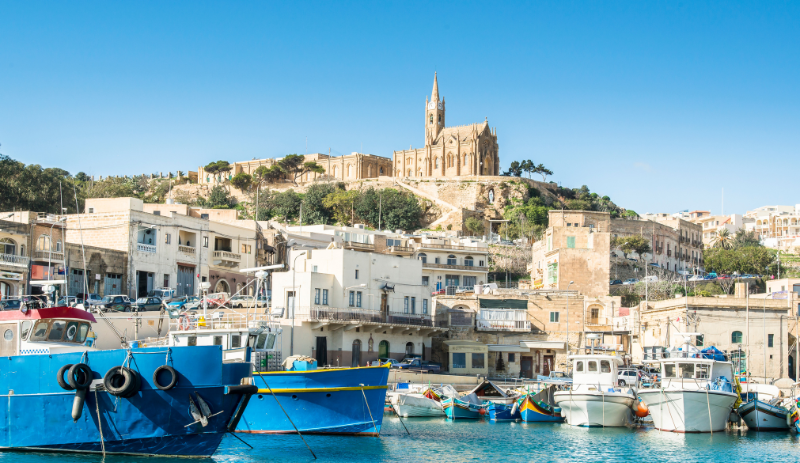
Gozo, which is the smaller island of Malta, is the big draw to nature lovers. It is less crowded and much greener than Malta, with large areas of rocks and the slow pace of the people living there. The island has the aged and very fruitful temples called Ġgantija as its main archaeological site.
They have already been recognised as a UNESCO World Heritage Site and are still older than the pyramids of Egypt. The citadel of Victoria, located on top of a hill and enclosed by massive walls with breathtaking views, is a major attraction too.
Dwejra Bay, an enormous natural sea entry with good visibility, offers a glimpse of nature’s rarest geological forms, etc., besides diving places and a sea trip on a boat.
5. Marsaxlokk: The Traditional Fishing Village
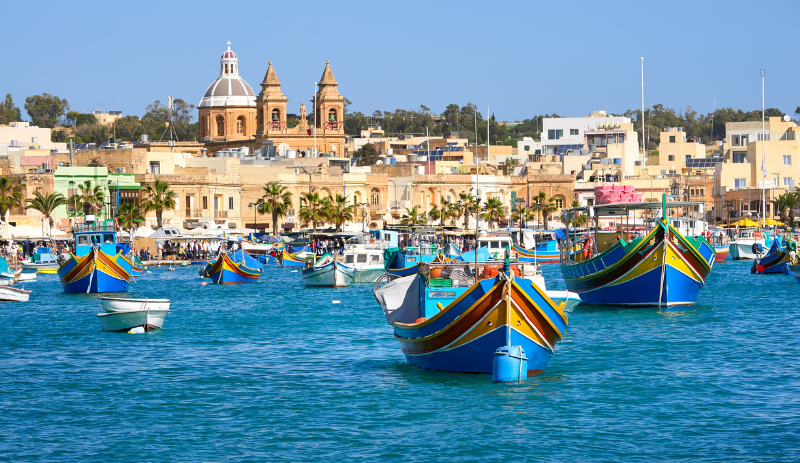
Luxurious wooden boats with unique designs and brilliant colours, and the “Eye of Osiris” decoration among the fishermen’s boats are the main features of Marsaxlokk that attract the tourists and locals alike to see, and at any time of the day, this place is very lively.
Sundays are the days when the famous Marsaxlokk Fish Market wakes up, presenting the visitors fresh seafood and fruits, vegetables and other local goods.
The developed restaurants by the sea still serve super tasty fish dishes, and the nearby St. Peter’s Pool provides a safe and natural swimming area along with the rocky cliff for jumping into the water, both featuring the most refreshing blue water ever.
6. Sliema and St. Julian’s: Urban Coastlines and Nightlife
If you want to be among the clouds of colours and life of the modern world, then Sliema and St. Julian’s are the places to be. Sliema is dotted with nice long seaside walks, the rocky seaside beaches, shopping malls, and seaside cafés. It is also a good location with very good bus and ferry connections.
St. Julian’s, mainly Paceville, is the heart of nightlife in Malta with its nightclubs, bars and restaurants. Still, Spinola Bay is one of the beautiful and calm places that give a waterfront dining experience in an easy-going atmosphere, even though the urban vibe is there.
7. Ħaġar Qim and Mnajdra Temples
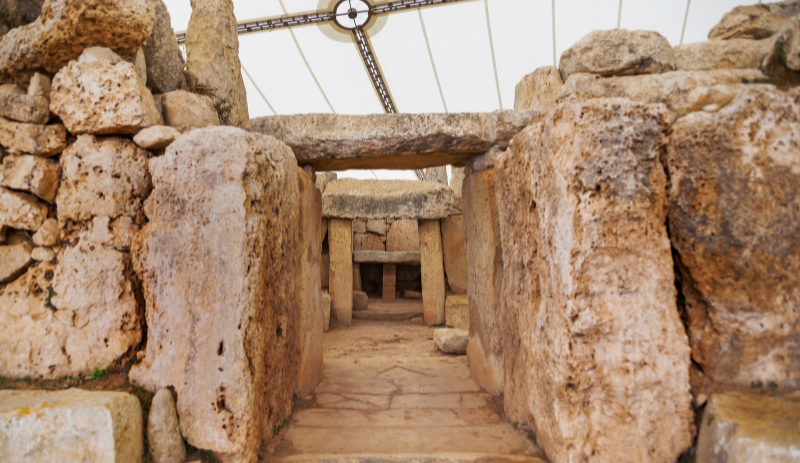
The temples are among the island’s most remarkable historical landmarks. They date back to 3600–3200 BC, and these long stone complexes give a glimpse into the amazing craftsmanship of Malta’s early inhabitants, particularly, how the buildings are aligned with solar events such as the solstices and equinoxes.
The on-site visitor centre provides the necessary knowledge of the temples’ origins, and the beautiful nature trail connecting the two locations offers the stunning views of the Mediterranean Sea and the tiny island of Filfla. This area is a stop not to be missed for tourists who are interested in early civilisations and prehistoric architecture.
If you enjoyed this post, Also you can checkout our latest video for more details.

👉Malta: Tiny Country, Massive Adventure
FAQs
1. What is the best time to visit Malta?
The ideal time to visit is April to June and September to October, when the weather is pleasant, and crowds are moderate.
Do I need a car to explore Malta?
Not really. Malta has a good public transport system, but maybe a rental car will allow you to go where you want, when you want, which is especially true for Gaul.
Is Malta good for families?
Definitely! Malta provides both sea and sand with children’s facilities, the taking of both educational and recreational tours, in addition to the visitation of historic sites, and engaging in other activities that all ages can enjoy.