
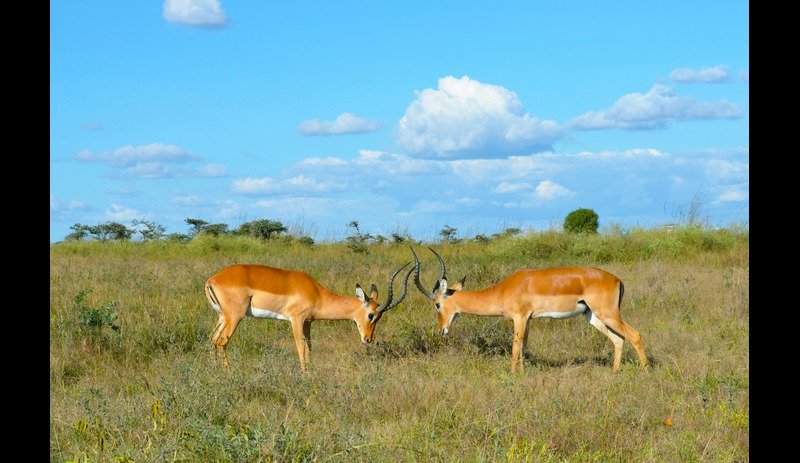
Kenya has been the number one spot for safari in Africa for many years. The Maasai Mara of Kenya together with the viewing of the big cats and the massive migration were the main aspects that shaped the safari experience of the globe trotters.
However, the last few years have seen Tanzania infiltrate — and that in a very remarkable way — the first place. Tanzania having the larger savanna regions, the more varied animal and plant species plus even a more varied safari circuit has set the stage for itself as the actual safari capital of the continent.
This is the list of reasons why Tanzania is now the first choice for the travellers looking for real, wild and unforgettable African adventures.
Table of Contents
1. It Holds the Major Portion of the Great Migration
Although the intact wildlife migration is generally associated with Kenya, this natural phenomenon occurs in the greater part, nearly 80 percent, in Tanzania all year round.
So, Tanzania visitors will have the opportunity to see:
- The calving period in Ndutu area, where more than 500,000 baby wildebeests are born and this gives a rise to a great deal of predator action.
- River crossings taking place over the Grumeti River which is a less known but equally spectacular river compared to the Mara River crossings.
- Large herds migrate in the central and northern Serengeti and this is often done without the tourist crowds that are typical in Kenya.
By providing a nearly all-year-round migration experience, Tanzania allows its visitors to have more options and to see a more diverse and plentiful wildlife.
2. Bigger National Parks and More Diverse Landscapes
Tanzania is among the top countries for conservation as over 30% of its surface area is composed of protected areas. However, more than just covering the same large area, the country is known for its vast range of ecosystems. Among the top-mentioned places for wilderness are:
- Serengeti National Park — Africa’s most famous safari destination, and the prime place to observe large predators and vast grass coverings.
- Ngorongoro Crater — The giant natural arena where animals cohabitate, and the critically endangered black rhinos are some of the residents.
- Tarangire National Park — A place where elephants of giant size and baobabs of fantastic shape are found.
- Ruaha National Park — The biggest park in Tanzania and a jackpot for safari tours off the beaten track; it is also the most concealed park in the area.
- Selous/Nyerere National Park — An African wildlife sanctuary of great extent, ideal for the merging of canoe and hike safaris.
Nature’s discontinuity lets the intrepid traveller see all the above-mentioned and more — the journey can take one from lush forests to volcanic hills, from muddy plains to the shores of lakes, down to the marshes and up to the steep mountain areas, all within one single trip.
A large number of animals move from one part to the other of the Serengeti central and northern sections, usually with no people at all, which is very different from what is common in Kenya
Tanzania has made a good offer in the near year-round migration experience as this facilitates and provides a richer and thus more varied wildlife display for visitors.
3. Fewer Crowds, More Authenticity
Although parks in Kenya may get very crowded, especially in the months of migration’ peak, Tanzania provides a much more spacious and relaxed safari. The encounters with wildlife in the famous reserves like the Serengeti and Ngorongoro are more personal and less crowded due to the large size of the areas.
Moreover, the extremely distant Ruaha and Nyerere have even plus point.
These parks are huge, and mostly unspoiled, offering:
- Exclusive wildlife experiences
- Animal behaviors that are rare and not disturbed by the crowds
- A stronger feeling of being in nature
Tanzania is the only place for the tourists who look for genuineness rather than for the overcrowded paths with the tourists.
4. A Complete Safari Circuit — Beyond Wildlife Watching
In comparison to Tanzania, Kenya can certainly not offer a combination of safari, culture, and beach in a single country.
Mount Kilimanjaro
The mountain that is the highest in Africa calls for climbers from all parts of the globe to its peak.Very few wildlife viewing places are able to provide the experience of reaching a famous mountain and then directly going into the area where there are a lot of animals.
Zanzibar and the Swahili Coast
In the course of their journey, the travelers are able to experience a lavish treatment of nature after being in the wilderness for days, where the beauty is represented by the pristine-white sands, the clear and azure sea and the Swahili culture which is rich.
Tribal and Cultural Experiences
Travelers to Tanzania have the opportunity to immerse themselves in the different cultures from the Maasai to the Hadzabe without feeling that it is a commercial thing. Tanzania tourist trip is not limited to safari only but it is a mixed experience.
5. Conservation Efforts and Sustainable Tourism Growth
Tanzania has put in a lot of money in conservation and nature-based tourism. The government is teaming up with private conservancies, NGOs, and local communities to secure animals and plant lives. A number of resorts also function on green models that are mainly concerned with:
- Renewable energy
- Waste management
- Employment of locals
- Sponsoring anti-poaching units
This green strategy not only makes the visitor’s experience better but also secures the natural treasures of Tanzania for future generations.
6. More Options for Every Budget
Tanzania’s safari offerings are generally regarded as costly, but gradually the country is opened up to more and more tourists. The visitors have now the following alternatives:
- Budget camping safaris
- Mid-range lodges and tented camps
- Luxury boutique experiences
- Ultra-premium private conservancies
That flexibility allows many more people to visit Tanzania and still get the same high-quality experience.
Conclusion
Kenya will forever be a classic safari spot — but at present, Tanzania presents a larger, more diverse, and richer wildlife experience. Tanzania, from the core of the Great Migration to off-the-beaten-path areas, and to top-notch cultural and beach add-ons, offers the most comprehensive safari adventure in Africa.
Tanzania is not only an alternative to Kenya but the new standard if you are going for an African safari.
If you enjoyed this post, Also you can checkout our latest video for more details.

👉 Forget Kenya – Tanzania Is Africa’s Safari Capital Now! | Travel Video [Video 4k]
FAQs
Is Tanzania more expensive than Kenya for safaris?
Although park fees and logistics might make Tanzania a little more expensive, still there are many good value options. Often the experience makes the price worthwhile.
Are Tanzania’s parks overcrowded?
Not usually. Even the most visited spots have more room than in Kenya, and the southern national parks are very quiet.
Can I mix safari and beach in Tanzania?
Yes, without a doubt. Zanzibar and the coastal islands are among the top safari-plus-beach destinations in Africa, thanks to Tanzania.