
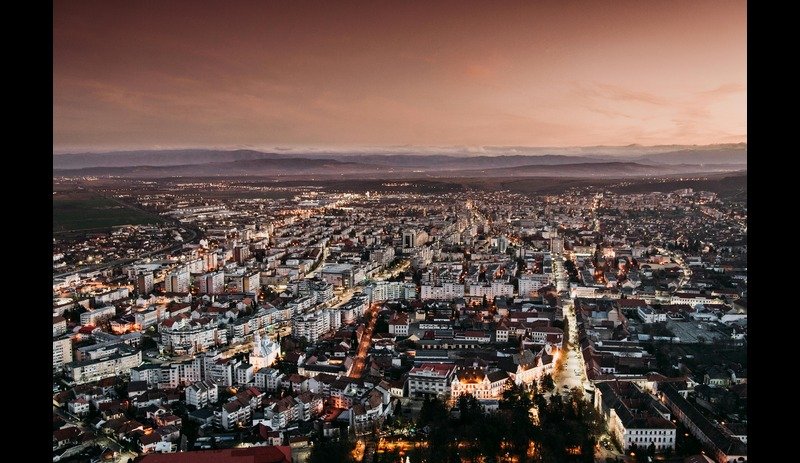
Romania has all the characteristics of an unrecognized tourist destination in Europe; nevertheless, it offers to the tourists a blend of ancient castles, beautiful landscapes, and mythical beings as well as the Modern Urban Culture.
The whole country is an assortment of profound and varied experiences for the curious ones to venture out, such as the fortified cities and the amazing mountain roads. This article highlights the most significant places to visit in Romania.
Table of Contents
1. Bucharest: The Capital of Contrasts
Bucharest is a metropolis where integration of the past and the present takes place without any difficulties. The large Palace of the Parliament is the one that monopolizes the skyline and gives very well-informed guided tours showcasing its political importance and architectural size.
In the Old Town region, which is actually called Lipscani, the wooden medieval inns and churches along with cobbled streets form a dynamic atmosphere that remains lively from the morning till the late night hours.For seeing the rural customs of Romania, the open-air Village Museum shows real houses and buildings from different parts of the country.
2. Transylvania: Castles, Medieval Towns & Mountains
Out of all the regions, Transylvania is the one that most people associate with the Dracula story the most and that is a bit of a big misconception because in reality, it is far more interesting and varied.
The inhabitants of Brasov consider their area’s Gothic and medieval architecture as a reason for pride, the beautiful squares of the city are yet another tourist attraction, and the Carpathian Range enveloping the town adds a splendid background.
The Black Church, which is the largest in Romania, has been a part of the history of the town since the 14th century and, on the other hand, the tourists can hike up Tampa Mountain and get the whole city view as a reward for their effort.
3. Transfăgărășan Highway: Romania’s Ultimate Scenic Drive
Transfagarasan Highway, which is frequently praised as the most beautiful road in the world, is a road that climbs up and down the Carpathian Mountains with numerous hairpin turns. The total length of the road is approximately 90 kilometers, and it is accessible to tourists only during the summer months, from June to October, which is also the time when the snow melts revealing completely the breathtaking views.
The drive is made great by the constant changes in the landscape sharp mountain tops, remarkable lakes like the Bâlea Lake, and considerable creations such as the Vidraru Dam.
For the history lovers, it is possible to choose a route that leads to the Poenari Fortress, renowned as a stronghold of Vlad the Impaler which is accessed through a steep staircase that not only gives you the reward of the vista but also a connection to the medieval history of Romania that is deeper than ever before.
4. Maramureș: Romania’s Living Heritage
Maramureș, which is situated in northern Romania, is proud to be the last European region that accepted and enjoyed rural customs. Apart from the astonishingly high and slender spired wooden churches, the whole region is characterized by the amazing talent of the woodworkers, with the majority of these churches getting UNESCO World Heritage recognition.
Certainly, the very villages of Maramureș code the lifestyles of the olden days, the customs being passed from one generation to another making the overall region not so different from the rest of Europe. Among the famous sights of Săpânța is the Merry Cemetery which is already considered one of the most visited places thanks to the vividly painted tombstones with funny or poetic epitaphs that give an idea of the dead man’s character.
If you are a traveler who looks for cultural immersion, Maramureș will not only provide you with the local experience but also with the real ones all taking place in a calm and beautiful landscape.
Also you can checkout 👉 From Kenya to Tanzania
5. Bucovina: Painted Monasteries with Historic Frescoes
Bucovina, a region located in the northeast of Romania, is globally known for the famous painted monasteries, which are the crowning of the religious art, and history.
The churches have exterior frescoes that are not only brilliant but also dating back to the late medieval period, and many of them have been so skillfully applied that the colors have not faded over time.
One of them is the famous Voroneț Monastery, which is easily recognized by its unique shade of “Voroneț Blue” and is particularly famous because of its awesome portrayal of biblical scenes; some even compare it with the Sistine Chapel for the depth of its art.
Both Moldovița and Sucevița, which are UNESCO-listed, equally superbly and narratively through their frescoes and depict the very special artisanship of the area.
Bucovina, with its pastoral landscapes of hills and quaint rural communities, provides a peaceful and meditative setting, a great place for those who love the combination of the world’s great cultural treasures and the countryside with its picturesque nature.
6. The Danube Delta: Europe’s Best Wildlife Sanctuary
The Danube Delta stands out as one of Europe’s most varied in terms of fauna and flora and at the same time a protected area by UNESCO. The place is a mixture of rivers, swamps, and ponds where the Danube River ends and the Black Sea begins.
The delta has become a place where the biggest number of birds can be found and hence not only the tourists but also the scientists are watching birds there. Discovering the area almost always involves taking guided boat rides which give people the chance to go through the small rivers and see the animals right where they live.
Places like Crișan and Sfântu Gheorghe still practice traditional fishing and their way of living is slower, more connected to nature and thus more pleasant.
7. Constanța & The Black Sea Coast
In case you are a sea lover, then apart from the coast, Constanța provides you with historical depth. The city boasts magnificent archaeological sites such as Roman-period mosaics and the remains of past civilizations, all of which are situated beside a lovely waterfront.
The most conspicuous symbol of Constanța Casino, a city, is hugely popular among photographers and an example of art nouveau architecture at that.
If you enjoyed this post, Also you can checkout our latest video for more details.

👉Why Romania Should Be Your Next Budget-Friendly European Trip
FAQs
What is the best time to visit Romania?
The ideal travel window is from May to October, when the weather is mild and most attractions, including mountain roads, are fully accessible.
Is Romania safe for tourists?
Absolutely, Romania is a safe travel place. Just the usual precautions are enough.
How many days are enough to explore Romania?
Within one week you will get to the major highlights, while within a fortnight, there will be time for more thorough regional exploration.